
At a glance
- Define the lot first: grade, processing, bag count, destination and the checks you need.
- Cup a sample drawn from the lot on offer before you sign anything.
- Put moisture, defects, crop year and the approved sample into the contract.
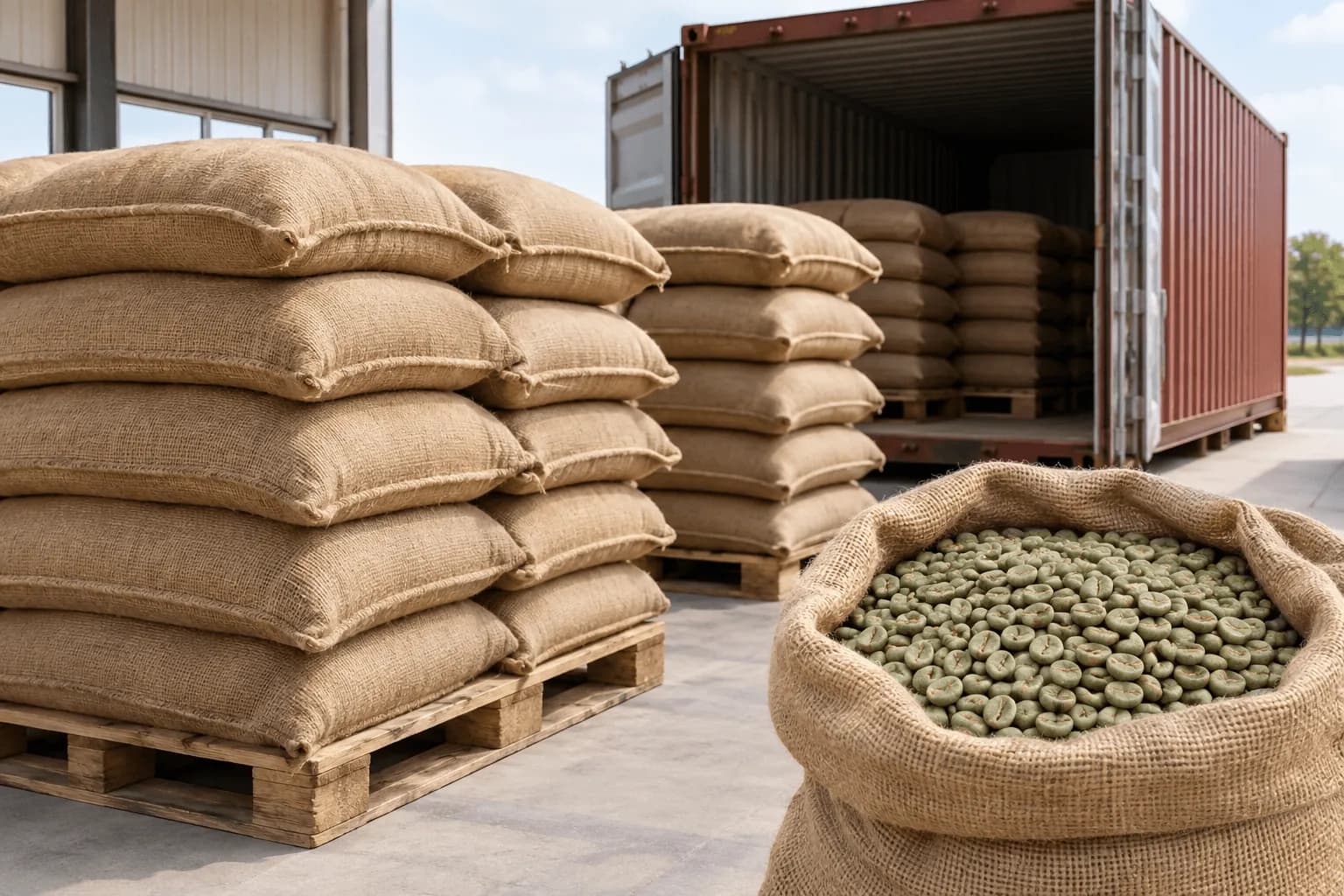
- A 20-foot container holds around 300 bags of 60 kg, about 18 tonnes.
- Every Tanzanian coffee export moves under a Tanzania Coffee Board permit.
- Check the coffee against the approved sample when the container is opened.
Importing green coffee is not complicated, but it is unforgiving of vagueness. Most disputes we see between buyers and origin come from something that was agreed by phone and never written down: which crop year, which sample, how many defects. The seven steps below are the order in which we ask buyers to settle things, and each one exists because leaving it out has cost someone money.
Step 1: Define the lot before asking for a price
A price only means something when it refers to a defined coffee. Before you ask, decide the grade (AA, A, B, peaberry, natural arabica or robusta), whether you want washed or natural processing, the number of bags, the destination port and any certification or regulatory data you need. If you are unsure of the grade, tell us what the coffee has to do in your roastery and we will suggest one. Two quotes for 'Tanzanian AA' can describe very different coffees; two quotes against the same written specification can be compared.
Step 2: Cup a sample from the lot on offer
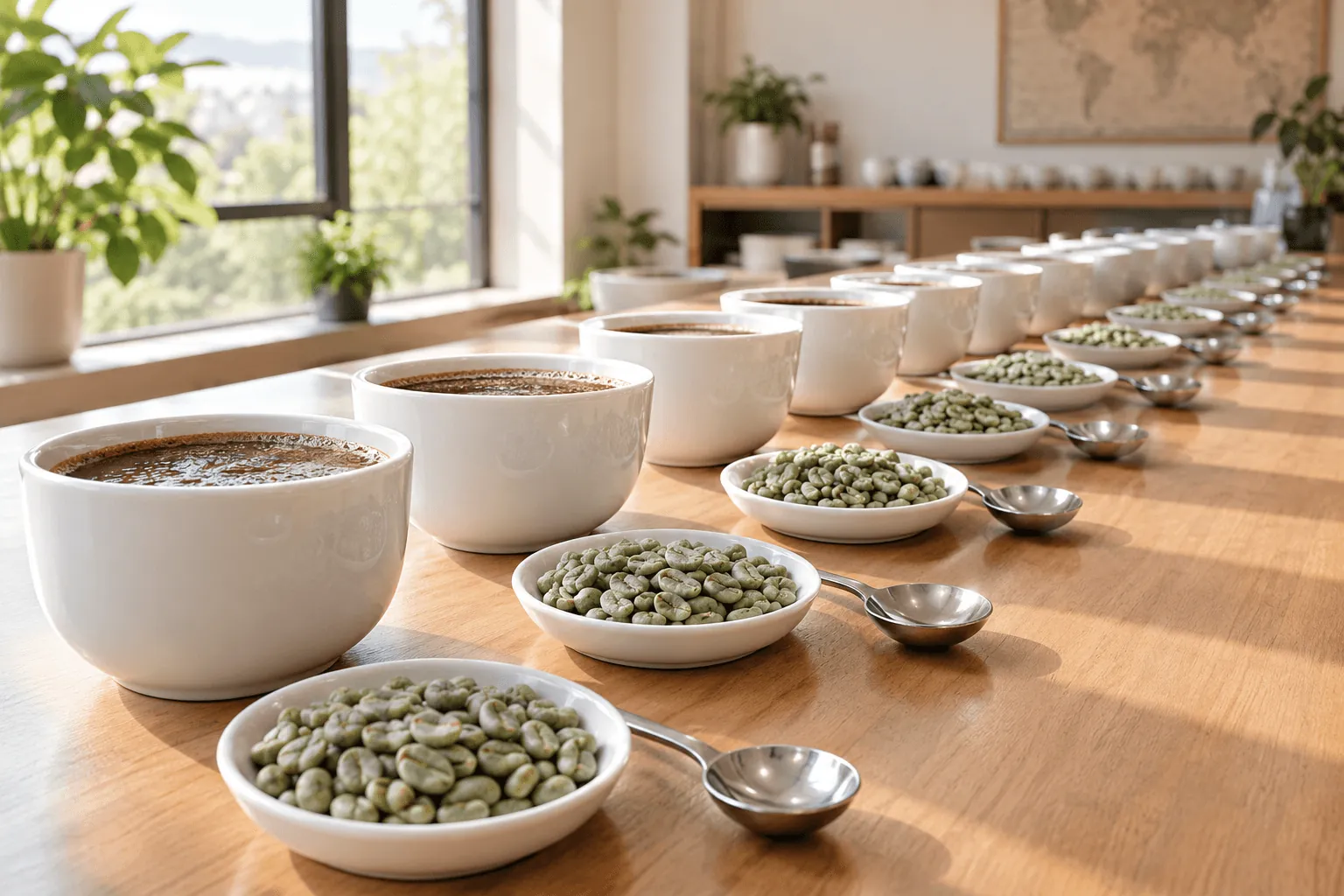
Ask for a green sample drawn from the actual lot, not a type sample kept for showing. We send 300 g to 1 kg per lot, which is enough for a sample roast and a cupping. Roast it the way you would roast the production coffee and cup it against what you need. If the sample passes, it becomes the quality reference for the contract, so keep part of it sealed.
Step 3: Write the terms that matter into the contract
Green coffee contracts are often written on standard trade forms, such as those of the Green Coffee Association in North America or the European Coffee Federation, with the lot details added. Whatever form you use, these points should be explicit:
- Grade, screen size and processing method.
- Crop year, so older coffee cannot be substituted.
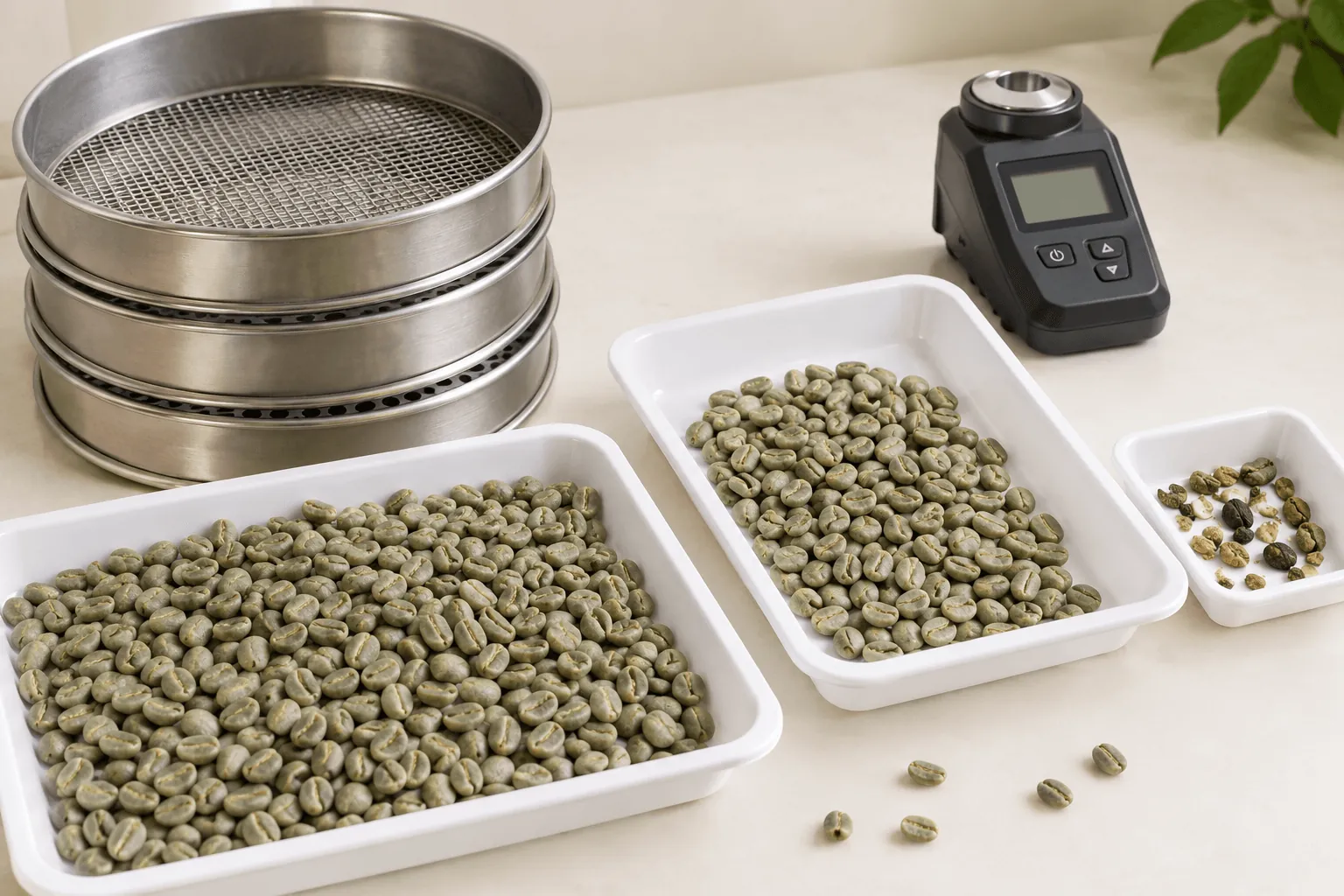
- Maximum moisture, typically 12% or lower for washed arabica.
- Maximum defect count, and the sample size it is counted on.
- The approved sample as the quality reference.
- Bag type and whether hermetic liners are included.
- Incoterm, named port and shipment period.
- Payment terms and how quality disputes are settled.
Step 4: Agree payment security
Our standard is a 30% deposit on contract and the balance against shipping documents. Larger contracts can run on an irrevocable letter of credit at sight, where the documents must comply exactly: a wrong date or a misspelt consignee can stop payment. Established buyers can move to cash against documents. Whatever the structure, agree it before the coffee is bagged, not after the container has sailed.
Step 5: Ship with the documents in order
Every coffee export from Tanzania moves under a permit issued by the Tanzania Coffee Board, and the exporter must hold a board licence. For the buyer, the document set is the commercial invoice, packing list with lot numbers, certificate of origin, phytosanitary certificate where the destination requires it, the lot's grading record, any contracted laboratory reports and the bill of lading. We send drafts before loading so errors are fixed while they are still cheap to fix.
Step 6: Clear the coffee in your market
Each market adds its own layer. EU importers must meet the Deforestation Regulation from 30 December 2026 (30 June 2027 for most micro and small operators), which needs plot data from the producer. Coffee entering the United States needs FDA prior notice, and most US importers must keep records under the Foreign Supplier Verification Program. Japan applies a positive-list system to pesticide residues. Tell us your market at step 1 so the right data and tests are in the contract.
Step 7: Check the coffee on arrival
When the container is opened, look before you unload: condensation on the roof, wet or stained bags, or a musty smell all need recording then and there. Draw samples from several bags, check moisture, and cup against the retained approved sample. If something is wrong, photograph it and raise it immediately, while the evidence still exists and the shipment is still intact.
Related reading
Leave a Comment
Your email address will not be published.