
Defect count and appearance
A tight limit on visible defects, agreed on a stated sample size, and hand sorting where needed.
Full container of about 300 bags
Wholesale green coffee, direct from Tanzania
Samples before contract · FOB quotes
Japanese buyers
Japan is the second-largest buyer of Tanzanian coffee, and the market where Tanzanian arabica is most often sold under the Kilimanjaro name. We supply washed arabica and peaberry sorted to a tight defect count, with residue testing available against Japan's standards.
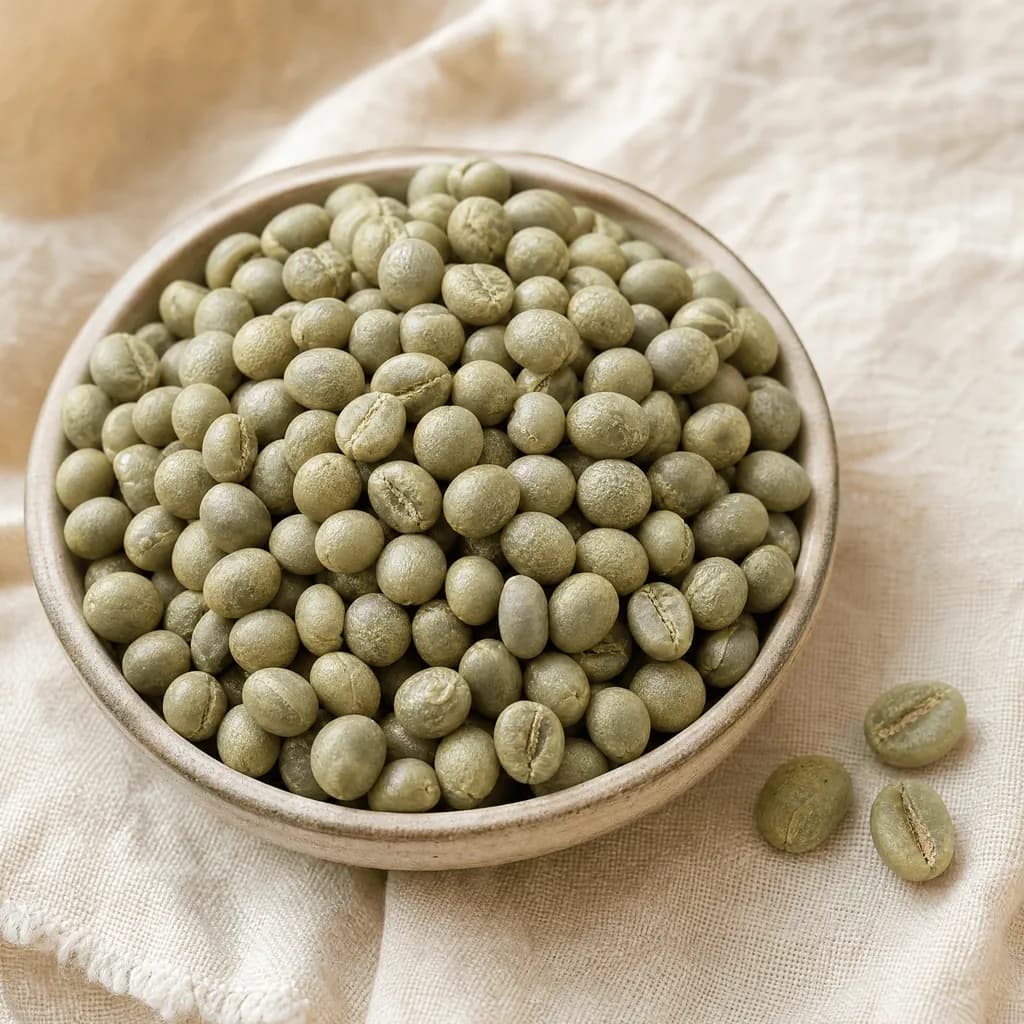
Japan buys more Tanzanian green coffee than any country outside the European Union, according to USDA trade data. Tanzanian coffee has a long history there, and much of it reaches Japanese shelves labelled Kilimanjaro, a name the trade uses for Tanzanian arabica generally rather than only coffee grown on the mountain itself.
Japanese buyers are known for their attention to appearance and consistency: even screen size, few visible defects, and a cup that matches the approved sample exactly. Japan also regulates agricultural chemical residues in food under a positive-list system, so residue testing is often part of the contract.
These points decide whether a lot is offered to a Japanese buyer at all.
A tight limit on visible defects, agreed on a stated sample size, and hand sorting where needed.
Pesticide residue screening against Japan's maximum residue limits, as a contracted laboratory test.
Repeat lots from the same region and grade, with pre-shipment samples matched to the approved type.
AA and peaberry for single origins, A for blends that still carry the Tanzanian name.
Send these so we can match lots and plan testing before we quote.
The same four checkpoints keep the sample, contract and commercial lot aligned.
We agree grade, defect limit and tests, and match an approved type sample if you have one.
The lot is sorted to the agreed defect count and a pre-shipment sample is sent for approval.
Contracted residue tests are run at an accredited laboratory and reported before loading.
FOB Dar es Salaam, with the transshipment routing to Japan confirmed at booking.
We supply Tanzanian arabica, including lots from the Kilimanjaro region itself. How you label it in Japan is governed by Japanese labelling rules, which the importer should confirm.
Yes, as a contracted test at an accredited laboratory, reported against the limits you specify before the coffee is loaded.
It depends on the transshipment route from Dar es Salaam, so we confirm the routing and estimated arrival when the booking is made.
Send the product form, grade or end use, volume, destination port and required tests. Our export desk replies within one business day.