
Washed arabica AA
Screen 18+ is the starting physical specification. Request the offered origin, crop year, moisture and defect record before deciding whether the lot fits your roasting programme.
Full container of about 300 bags
Wholesale green coffee, direct from Tanzania
Samples before contract · FOB quotes
Direct from Tanzania
Afri Exports supplies unroasted Tanzanian arabica and Kagera robusta to roasters, importers and traders. The minimum order is one 20-foot container: about 300 bags of 60 kg, roughly 18 tonnes. Start with the grade, processing, bag count and destination; availability and price are confirmed for the offered lot.
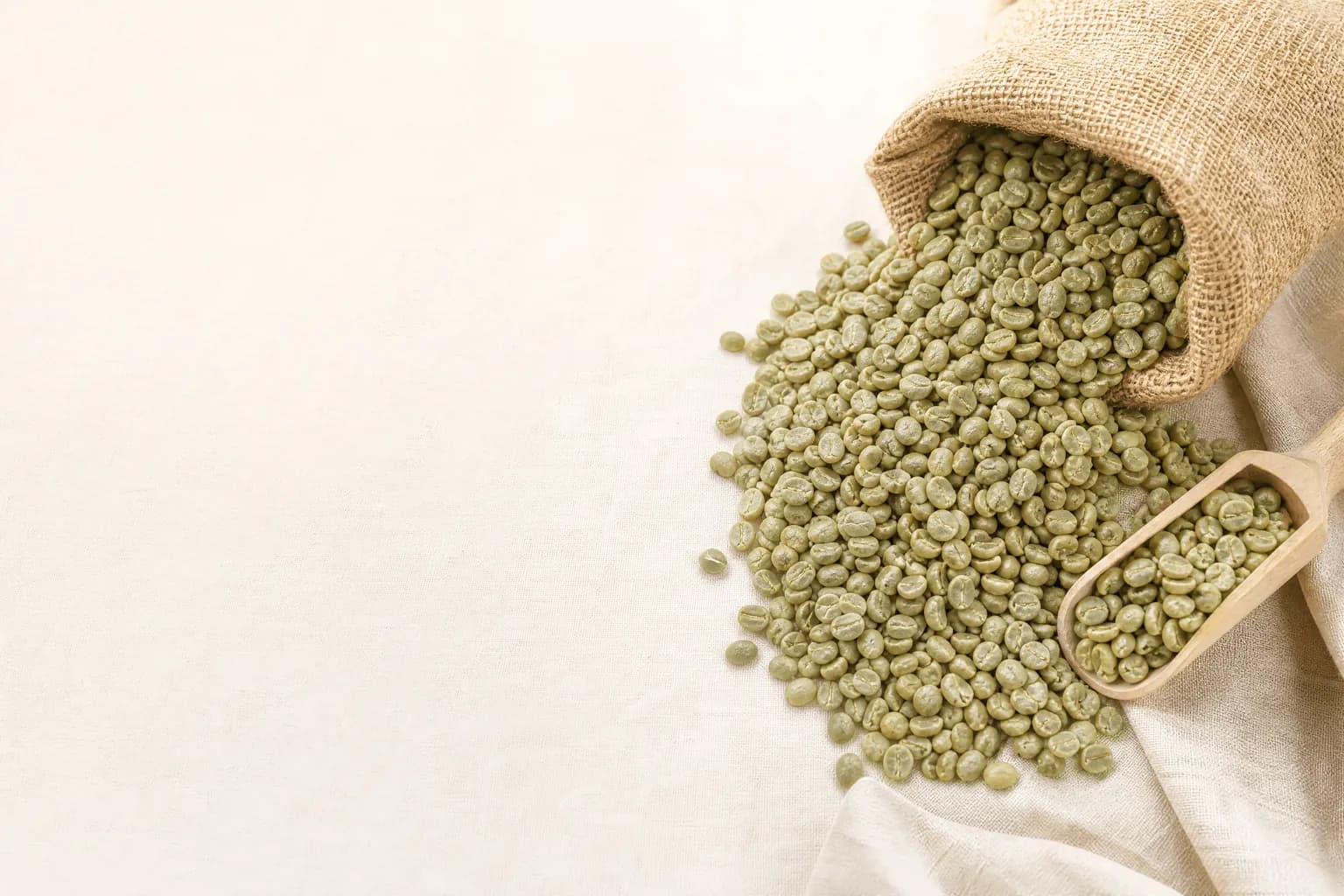
Our arabica catalogue covers washed AA, A and B, peaberry, and natural arabica from the Southern Highlands. Arabica origins include Kilimanjaro and Arusha in the north, and Mbeya, Songwe and Ruvuma in the south. Robusta comes from Kagera on Lake Victoria. Ask for the origin, crop year and processing of the specific lot; a catalogue page does not confirm current stock.
Buy against a written physical specification and your evaluation of the offered lot. AA is screen 18+ (about 7.1 mm), A is screen 17 (6.75 mm), and B is screen 16 (6.35 mm). Peaberry is separated by shape. Screen size helps describe roast uniformity; a larger bean does not establish a better cup or a price advantage.
Coffee moisture is specified at 10–12%. Packing is 60 kg sisal or jute bags, with hermetic liners on request. Confirm the bag count, liner requirement and loading details in the offer. We supply green beans only; roasted coffee and small retail packs are outside this programme.
Use these catalogue distinctions to shortlist coffee. Keep cup preference, defects and any required tests separate from the grade name.
Screen 18+ is the starting physical specification. Request the offered origin, crop year, moisture and defect record before deciding whether the lot fits your roasting programme.
A is screen 17 and B is screen 16. Compare the actual lots against your intended use; neither the smaller screen nor the grade label establishes the cup or relative cost.
PB identifies the rounded bean shape, rather than an AA screen equivalent. Confirm its physical specification and evaluate the offered lot without assuming cup superiority.
The catalogue includes natural arabica from the Southern Highlands. Specify natural processing in the enquiry and confirm the lot origin instead of treating all Tanzanian arabica as washed.
Keep species and grade explicit: Kagera robusta is distinct from arabica. Extra is screen 18 and Superior is screen 16; agree which specification is being offered.
State the required scheme before selecting a lot. Any producer certificate must identify its holder and scope for verification. Producer credentials are not Afri Exports credentials; TBS facility certification does not cover this coffee programme.
A comparable quote needs the same details on both sides. Send these and we will match lots to them, or recommend a grade if you have not chosen one.
The same four checkpoints keep the sample, contract and commercial lot aligned.
We agree grade, bag count, processing, destination and the checks that will appear in the contract.
Samples are normally 250 g to 1 kg per grade, with the buyer paying courier. Confirm the lot reference and whether the sample represents an identified offer or is indicative; use the existing comparison record for the evaluation stages.
Screen, moisture and defect results for the lot, plus any contracted laboratory tests, are sent before loading.
The coffee is weighed into 60 kg bags, stuffed into the container and shipped under the agreed Incoterm.
The standard payment basis is 30% deposit on contract and 70% against shipping documents. An irrevocable LC at sight from an acceptable bank can be considered for larger contracts. FOB Dar es Salaam is the standard sea-freight basis; request CFR or CIF to a named port if required, with Incoterms 2020 stated in the quote.
A first container typically takes 30–45 days from signed contract, subject to confirmation at booking. This is separate from sea transit. Confirm sourcing, preparation, vessel cutoff and the destination schedule before committing to an arrival date.
Agree the lot reference, origin, crop year, grade, processing, moisture, defect limit and any contracted tests. The shipment file includes the commercial invoice, packing list, certificate of origin, analysis and bill of lading, plus phytosanitary certification where required. Resolve missing test results or certificate scope before treating the offer as approved.
One 20-foot container, about 300 bags of 60 kg or roughly 18 tonnes.
Yes. Samples are normally 250 g to 1 kg per grade, normally free with the buyer paying courier. Agree the lot reference and sample status before evaluation. The linked sample comparison record keeps the detailed evaluation separate from this supplier enquiry.
No. Each quotation is checked against the live supplier price for the offered lot. Send the grade, quantity, packing and destination so the quote can name the coffee, trade term and validity window.
Send the product form, grade or end use, volume, destination port and required tests. Our export desk replies within one business day.