
EUDR plot data
Which producer groups can supply geolocation for the plots behind a lot, and in what format your system needs it.
Full container of about 300 bags
Wholesale green coffee, direct from Tanzania
Samples before contract · FOB quotes
European buyers
The European Union is by far the largest buyer of Tanzanian coffee. We supply washed arabica, peaberry and robusta with lot-level traceability, and we work with producer groups to supply the plot data your EUDR due-diligence statement needs.
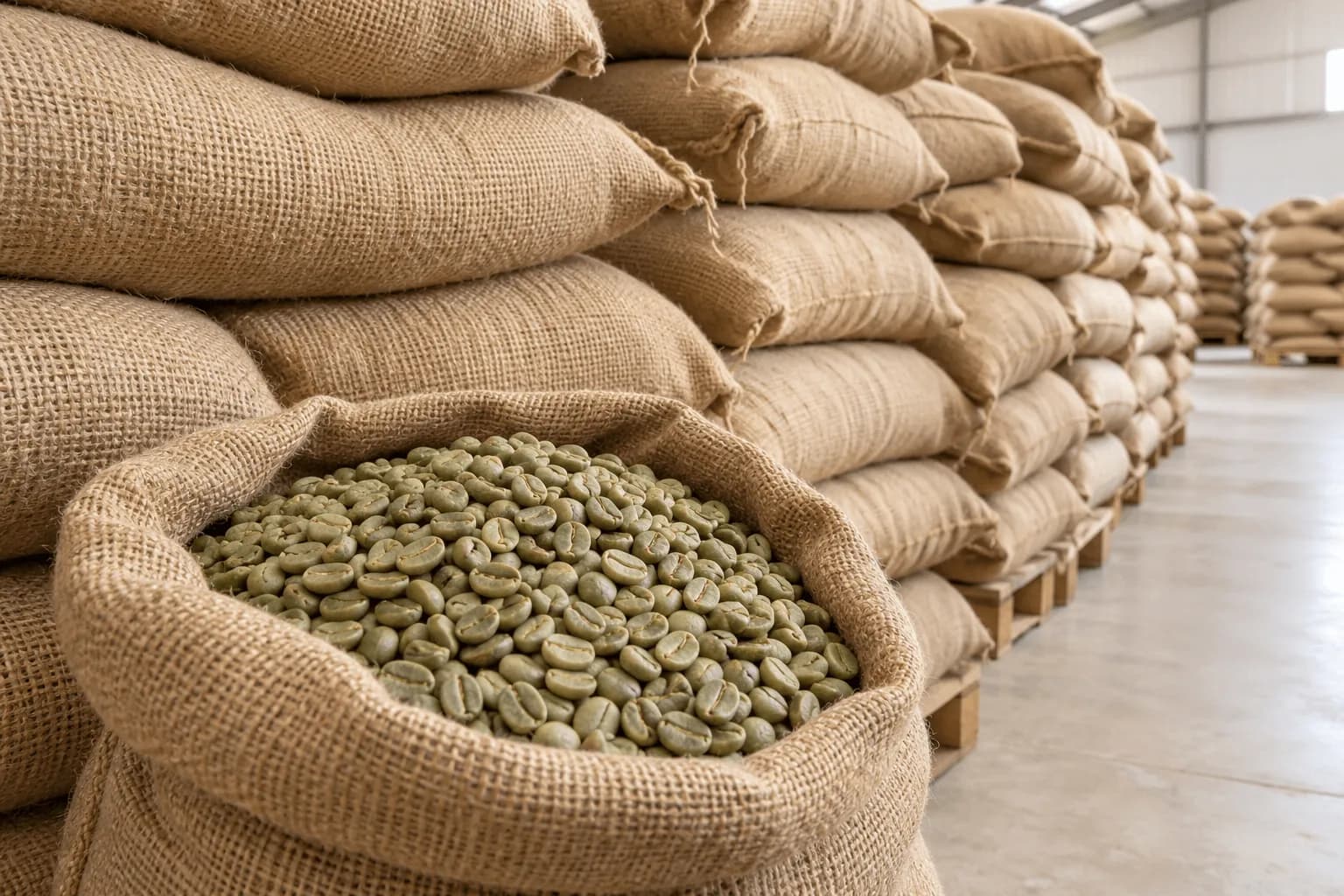
Europe buys more Tanzanian green coffee than any other market, according to USDA trade data, and its roasters range from Italian espresso houses using robusta to Scandinavian specialty roasters buying light-roast AA and peaberry. What they share is a document list that has grown longer, and in 2026 a new legal obligation.
The EU Deforestation Regulation applies to coffee from 30 December 2026 for large and medium operators, and from 30 June 2027 for most micro and small operators. The operator placing coffee on the EU market must be able to show where it was grown and that the land was not deforested after 2020. That starts with plot data from the producer, which is where we come in.
Agree these before the price, because they decide which lots can be offered at all.
Which producer groups can supply geolocation for the plots behind a lot, and in what format your system needs it.
The EU limits ochratoxin A in roasted coffee at 3 µg/kg under Regulation (EU) 2023/915, so many roasters test the green on arrival.
Organic or sustainability claims need the producer group's own certificate, which we name and pass through.
AA and peaberry for single origins, A and B for blends, robusta for espresso and soluble.
These details let us offer only lots that can clear your market and your own due diligence.
The same four checkpoints keep the sample, contract and commercial lot aligned.
We agree which EUDR data and certificates your importer needs before offering lots.
We offer only lots whose producer group can supply that data, with a green sample of each.
The grading record, contracted tests and plot data are sent before the container is stuffed.
FOB Dar es Salaam as standard, or CFR and CIF to your European port on request.
The operator that places the coffee on the EU market, usually the importer. We supply the producer data that statement relies on, as agreed in the contract.
From 30 December 2026 for large and medium operators, and from 30 June 2027 for most micro and small operators, following the December 2025 amendment.
Yes, as a contracted test at an accredited laboratory. The EU limit applies to roasted and soluble coffee, so agree the green-coffee threshold you want in the contract.
Send the product form, grade or end use, volume, destination port and required tests. Our export desk replies within one business day.