
At a glance
- Tanzanian robusta grows mainly in Kagera, on the western shore of Lake Victoria.
- The USDA forecasts 750,000 bags of Tanzanian robusta for 2026/27.
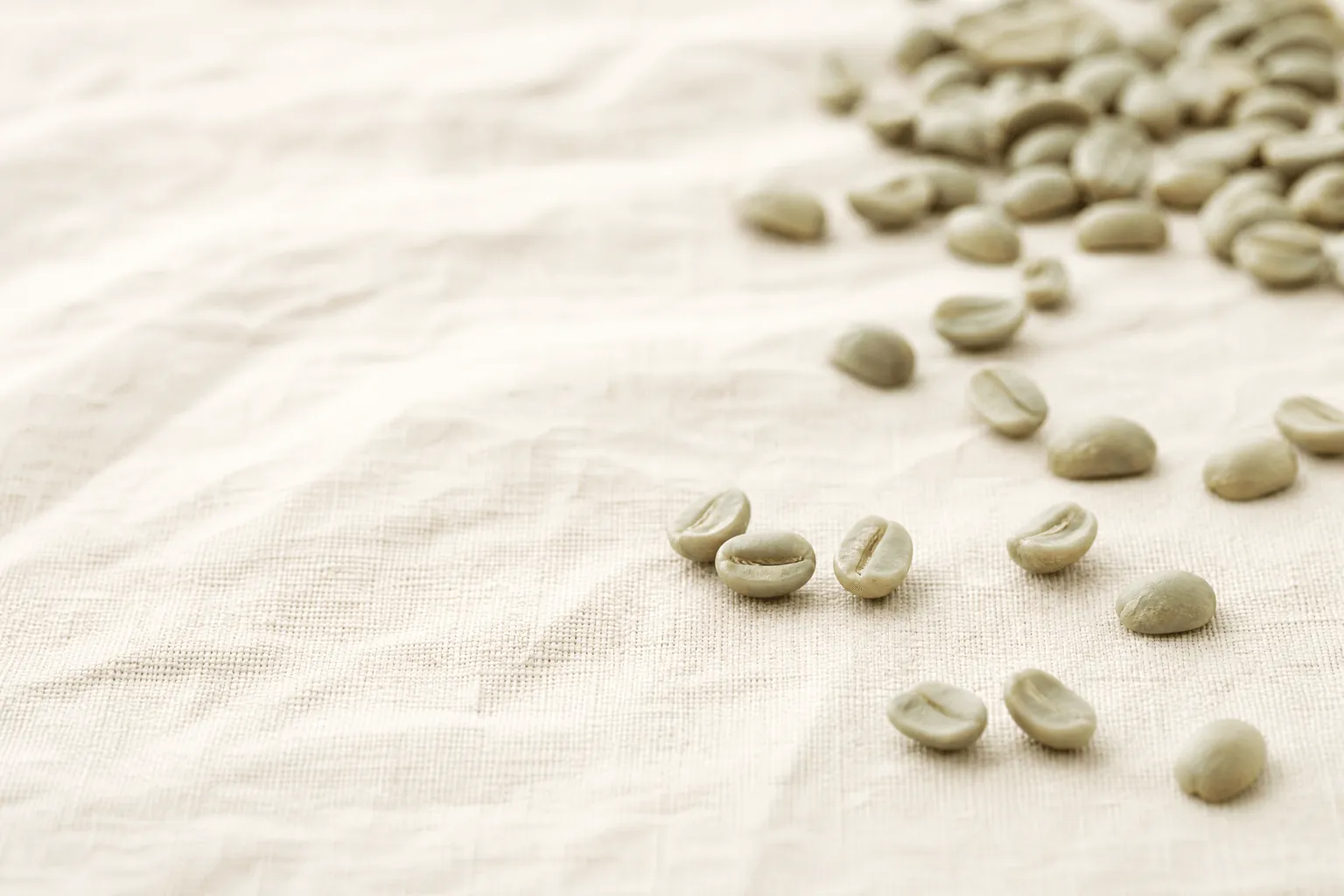
- Kagera robusta is natural-processed: dried in the cherry, then hulled.
- Harvest runs from around May to August.
- It suits espresso blends and soluble coffee rather than single-origin menus.
Tanzania's reputation rests on its arabica, so buyers are often surprised to learn how much of the crop is robusta. In its 2025 coffee report, the USDA put robusta at about 39% of Tanzanian production. For 2026/27 it forecasts 750,000 bags of robusta against 850,000 bags of arabica, with much of the growth coming from farmers in Kagera and Kigoma opening new land.
Where does Kagera robusta come from?
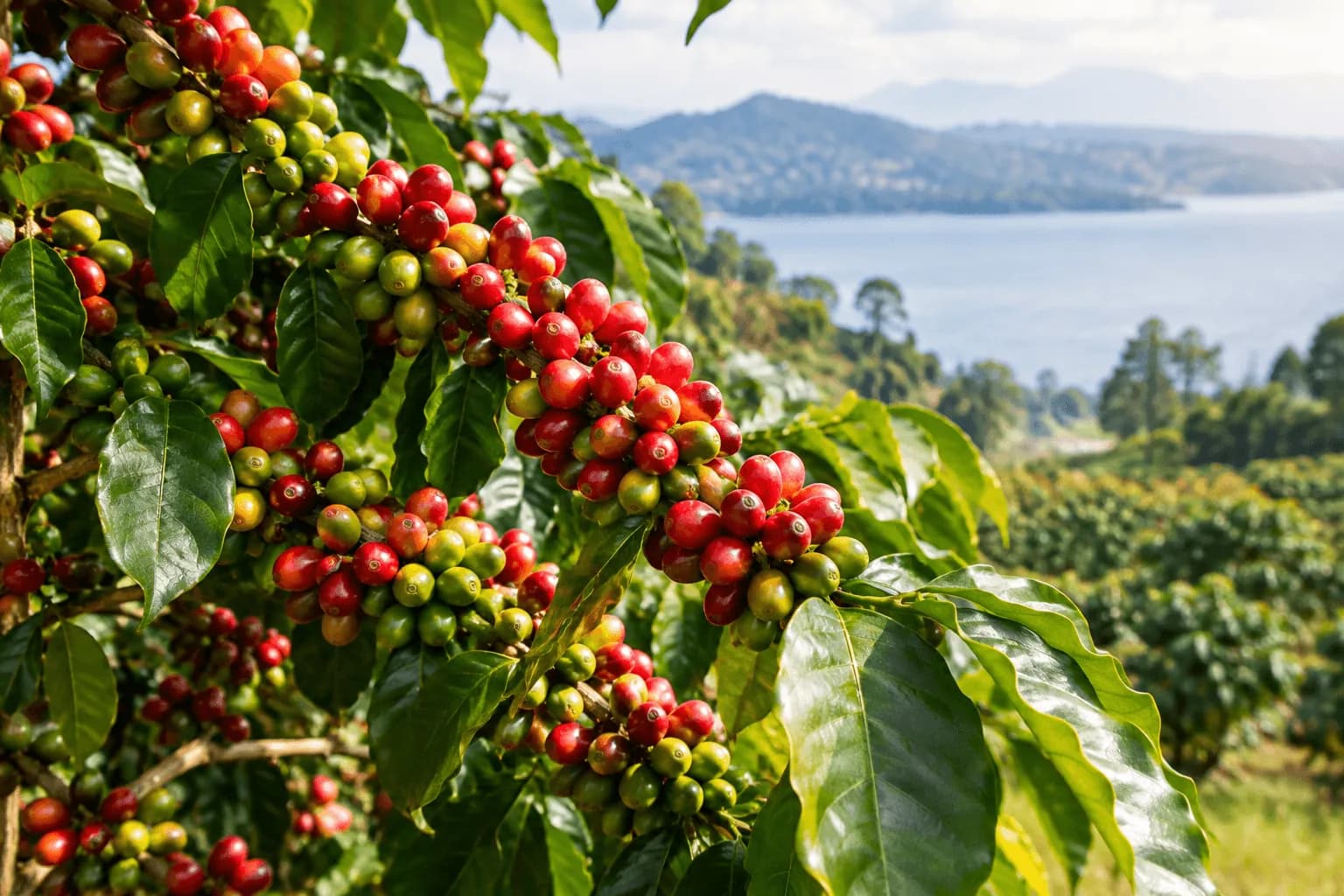
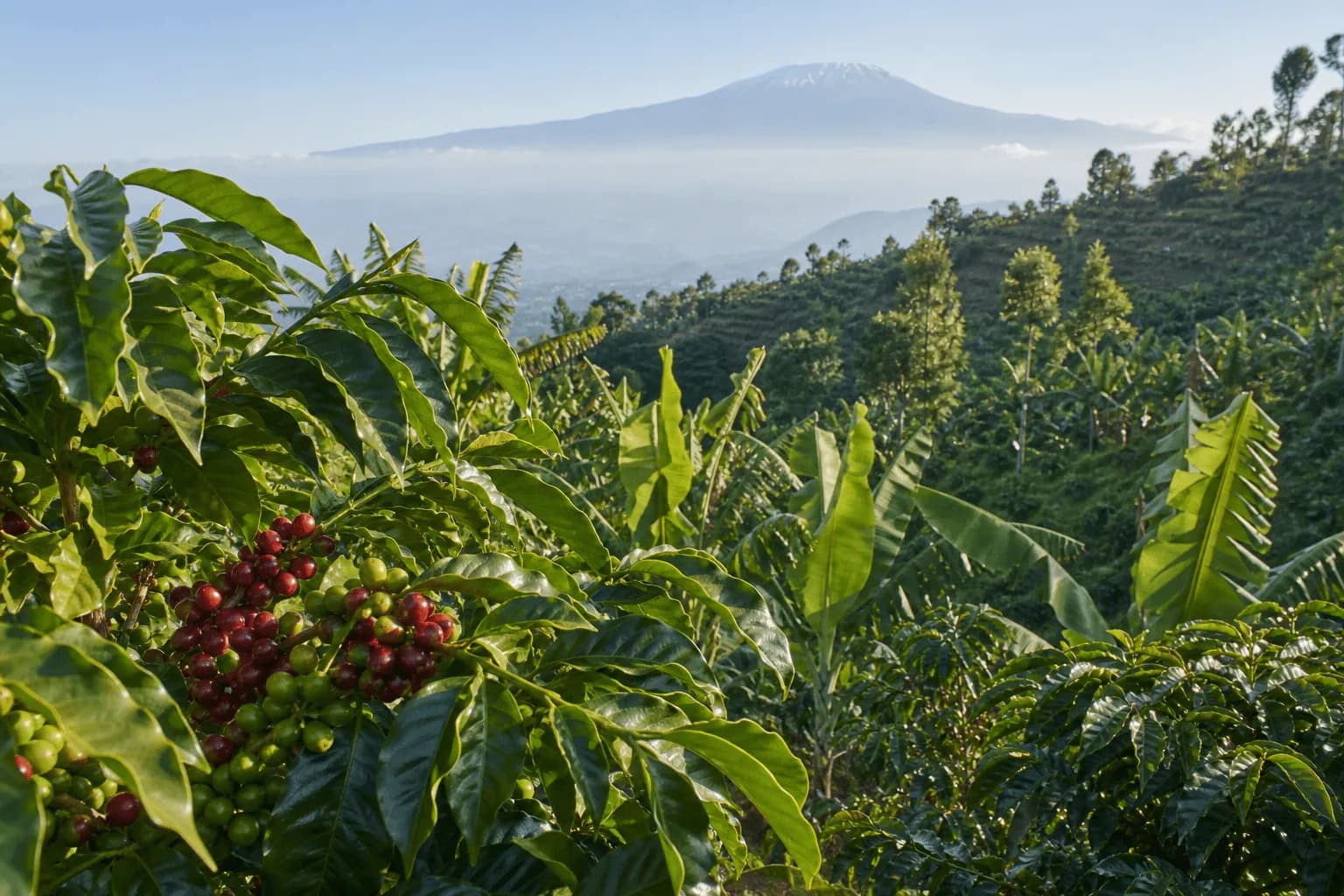
Kagera sits in Tanzania's north-west corner, on the western shore of Lake Victoria, bordering Uganda. It is lower and warmer than the arabica highlands, which suits robusta, and coffee has a long history there. Most of it is grown by smallholders, often among bananas on family plots, and delivered through cooperatives. The USDA reports farmers in districts such as Ngara clearing new land for coffee, supported by subsidised seedlings and strong farm-gate prices.
How is it processed?
Kagera robusta is natural-processed as a matter of course: the ripe cherry is dried whole in the sun, then hulled to remove the dried fruit and husk. Screen sizes are agreed per contract. Because the coffee spends its drying time inside the fruit, careful drying and clean storage are what separate a sound lot from a musty one, so moisture and a cup for off-flavours belong in every robusta specification.
Where does robusta fit in a roastery?
Robusta brings body, crema and bitterness, and it costs less than arabica. It is a blend component for espresso, especially in southern European styles, and a raw material for soluble coffee. It is rarely sold as a single origin. When you evaluate a sample, cup it at the ratio you will actually use in the blend as well as on its own; a robusta that seems harsh alone can be exactly what a blend needs.
How is robusta priced?
Robusta is priced against the robusta futures market in London, just as arabica is priced against the New York market, with a differential for origin, grade and quality. Brazil's large robusta crop and Vietnam's production move that market far more than Tanzania does, so watch their harvests when timing a purchase.
Related reading
Leave a Comment
Your email address will not be published.