

At a glance
- The EUDR applies to coffee from 30 December 2026 for large and medium operators.
- Most micro and small operators follow from 30 June 2027.
- Coffee must not come from land deforested after 31 December 2020.
- Plot geolocation data has to come from origin; the statement is the importer's.
- Country risk tiers change the depth of checks, not whether coffee can be sold.
The EU is by far the largest buyer of Tanzanian coffee, according to USDA trade data, so the EU Deforestation Regulation matters to almost everyone in the Tanzanian trade. After two postponements, the dates are now set, and the practical question for importers is no longer whether to prepare but how to get reliable data from smallholder origins.
What are the dates?
Following the amendment adopted in December 2025, the European Commission states that the regulation applies from 30 December 2026 for large and medium-sized operators, and for micro and small operators already covered by the EU Timber Regulation. Other micro and small operators follow from 30 June 2027. In July 2026 the Commission also added some derived products to the scope, including soluble coffee, from 30 December 2027, and introduced simplified declarations for micro and small primary operators.
What does the regulation actually require?
Coffee placed on the EU market, or exported from it, must be deforestation-free, meaning it was not produced on land deforested after 31 December 2020; it must have been produced legally under the laws of the country of production; and it must be covered by a due-diligence statement. Behind that statement sits information including the geolocation of the plots where the coffee was grown. The obligation falls on the operator placing the coffee on the market, not on the producer or exporter at origin.
Why is smallholder coffee harder?
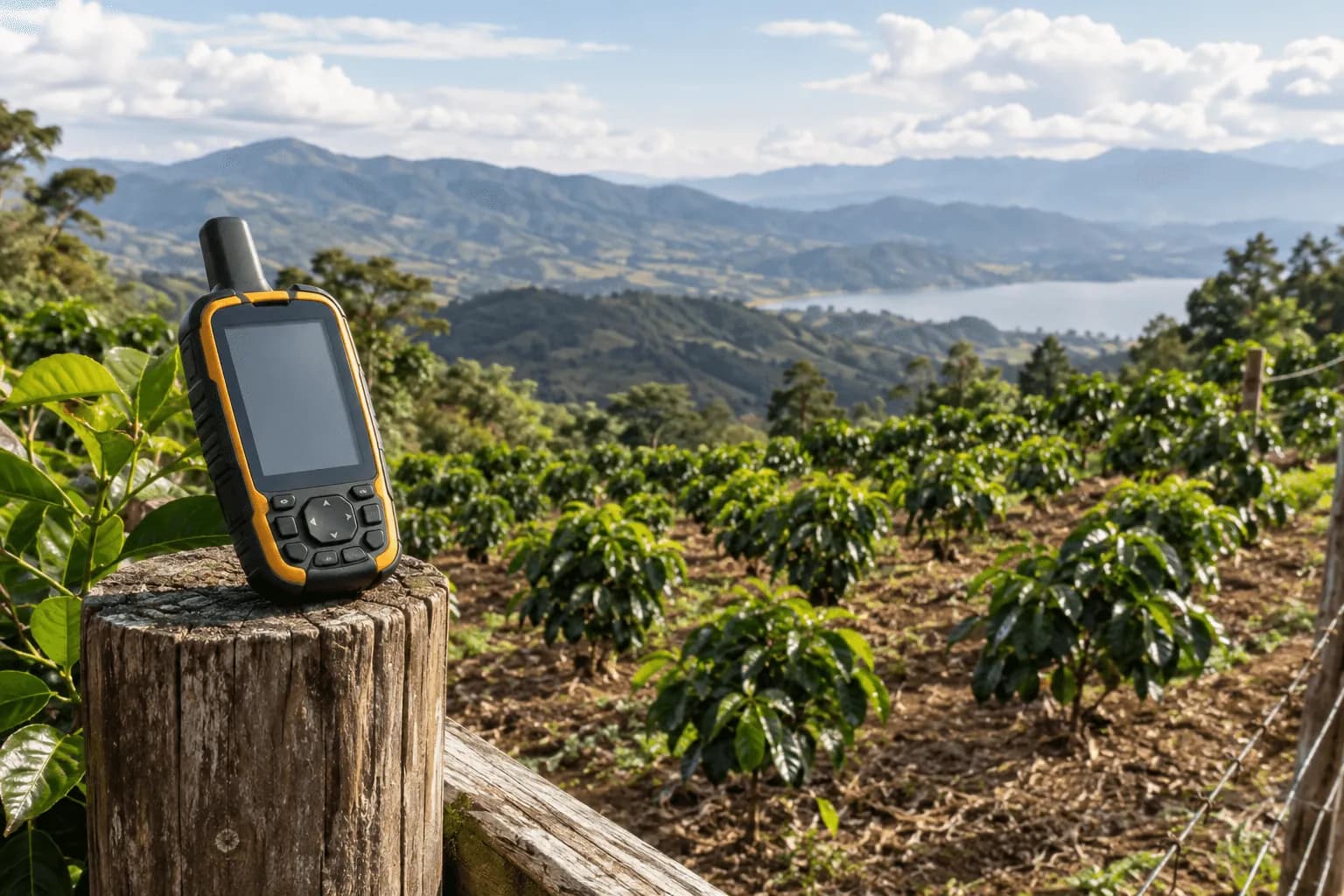
A single container of Tanzanian coffee can contain cherry from hundreds of small farms delivered to one cooperative. Each of those plots needs to be located, and the coffee kept linked to them from the cooperative through the mill to the bag. Some producer groups already hold plot maps from certification or development programmes; others are building them now. That difference is why the producer group behind a lot matters more under the EUDR than it did before.
What about country risk?
The Commission classifies countries as low, standard or high risk. The tier decides how much due diligence an operator must carry out and how often authorities check shipments; it does not ban coffee from any country. Check the Commission's current list for Tanzania and for any other origin in your blends, because the tier can be reviewed.
What we do, and what we cannot do
We work with producer groups to supply the plot geolocation and production data an importer's due-diligence statement needs, and we agree the format and the lots it covers in the contract before shipment. We offer EU buyers lots only where that data can be supplied. What we cannot do is file the statement for you or take on the importer's legal responsibility; the regulation places that on the operator. Tell us your requirements at the start, because the data has to follow the coffee from the cooperative onward.
Related reading

Leave a Comment
Your email address will not be published.